Video Editing Effects Guide: Basic to Advanced

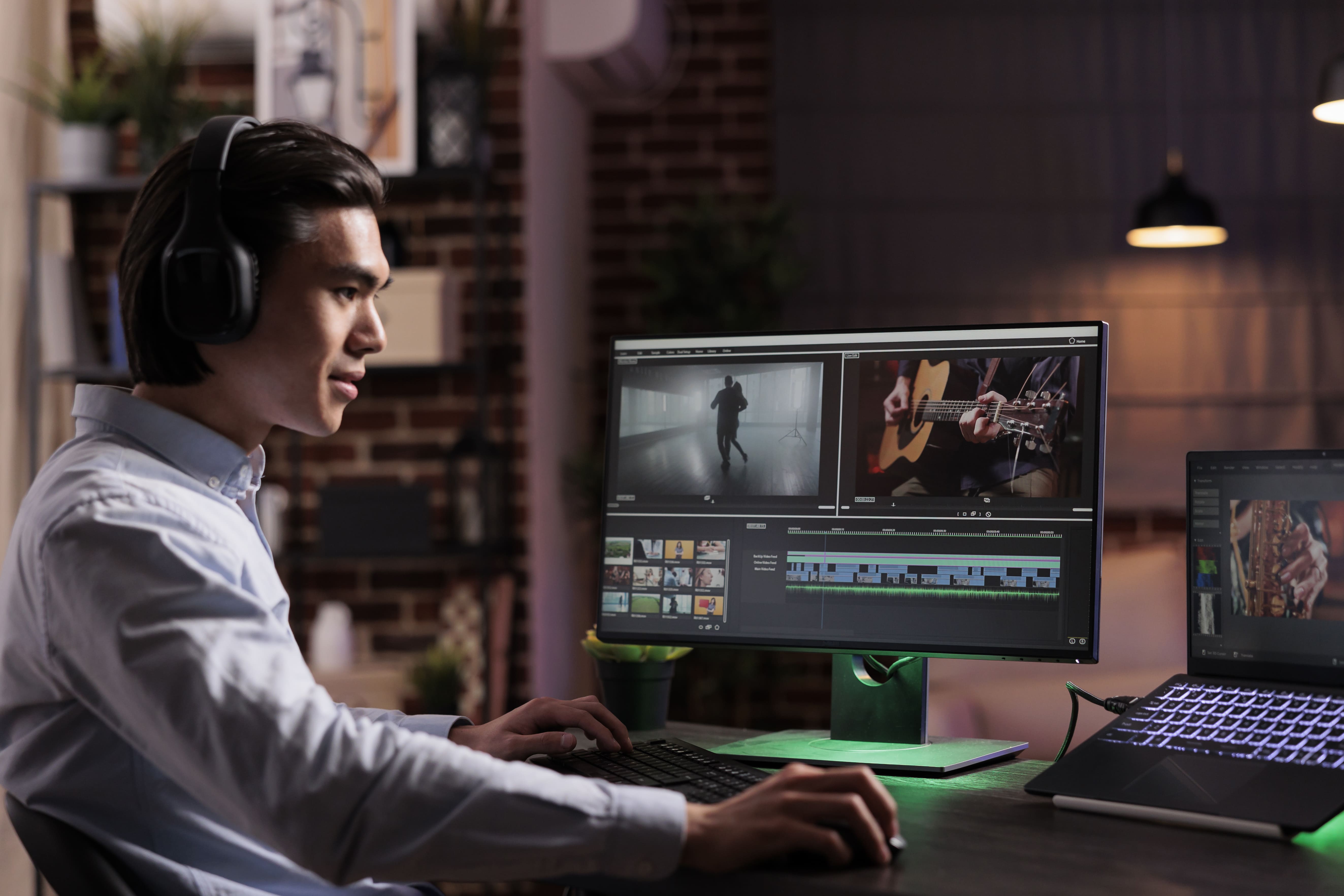
Effects are tools for a job: hiding a cut, setting a mood, explaining a point or pulling attention to one detail. Used without a reason, they get in the way of the video.
Knowing how to use video editing effects creatively can set your work apart. This guide walks through some popular video effects, from beginner-friendly to advanced and everything in between.
Your AI Video Editor
Find silences, filler words and bad takes in your spoken footage
Start For Free3 Levels of Video Editing Effects: How To Nail Your Edits
Level 1: Basic Video Editing Effects for Newbies
Transitions
Transitions are the seamless links between video clips, allowing one scene to flow smoothly into the next. They’re particularly useful for maintaining continuity in content such as vlogs, corporate videos, and presentations, where a natural flow keeps viewers engaged.
Filters
Filters apply a color grade to your footage, helping set the overall mood. They’re ideal for travel vlogs and short films, where creating a particular atmosphere or enhancing visual storytelling is vital.
Slow Motion
Slow-motion effects add drama by slowing down footage, allowing viewers to savor every detail. This effect shines in sports and cinematic moments, where the goal is to capture the intensity or beauty of action.
Text Overlays
Text overlays are perfect for adding captions, titles, or callouts to videos. They’re essential in tutorials and instructional videos, where on-screen text provides valuable guidance or emphasis, helping viewers follow along more quickly.
Beyond Basics: Intermediate Video Effects
Once you’ve learned the essentials, these intermediate effects will help you create a more immersive viewing experience.
Color Grading and Correction
Adjust colors to enhance or completely change the atmosphere. Color grading makes your footage pop, which is essential for creators aiming for a “cinematic” look. For instance, adjust the warmth for a cozy feel or cool tones for a serious corporate vibe.
Motion Tracking
Follow a moving object in the frame, such as text that sticks to a person’s hand. Motion Tracking is ideal for product demos or storytelling scenes.
Chroma Key (Green Screen)
Swap out backgrounds to create unique environments with Chroma Keys. It is one of the most used for YouTubers, news editors, and anyone looking to film without location constraints.
Advanced Video Effects: Creativity Meets Skill
Visual FX (VFX)
From explosions to digital rain, VFX adds a new dimension to your video. These effects are staples for gaming videos, music videos, and action sequences.
3D Animation
Turn static text or graphics into 3D for a professional, futuristic look. It is commonly used in intros, titles, and logos.
The Parallax
Creates a 3D illusion by moving two image layers at different speeds. It’s perfect for intros and travel vlogs.
Glitch Effect
It adds distortion for a tech-savvy, futuristic look. Think digital interruptions or “errors,” ideal for music videos, tech channels, and edgy social content.
Countdown: 5 Video Editing Effects That Drive Engagement
5. Speed Ramping
Smoothly shift between slow and fast motion in the same clip. It adds drama and keeps viewers engaged.
4. Lens Flares
Adds a natural or highlighted flare from light sources. It's excellent for creating a cinematic vibe.
3. Freeze Frames
Pause the action at a key moment to emphasize something (think sports highlights or funny moments).
2. Zoom Transitions
Creates a smooth zoom-in or out between scenes. Excellent for travel videos and cinematic transitions.
1. Light Leaks
Subtle overlays of light for an atmospheric, nostalgic feel. It is ideal for emotional scenes or lifestyle content.
| Term | Definition |
|---|---|
| LUT (Look-Up Table) | A preset color grading tool that adjusts the color balance of a video |
| Keyframe | A point in an animation where you set specific values, like position or opacity |
| Compositing | Combining multiple visual elements into a single frame to create a cohesive image |
| Masking | Isolating part of an image or video to apply effects specifically to that area |
| B-Roll | Supplemental footage that enhances the primary narrative |
3 Top Tricks For Adding Professional Effects To Your Video
- Use LUTs for Quick Color Grading
LUTs are pre-made filters that adjust color grading in one click. If you’re editing in bulk, LUTs can save you hours.
- Clean Up the Spoken Edit First
Remove the pauses and retakes you don't need before you add effects. Gling, for example, analyzes spoken footage for silences, filler words and bad takes and proposes cuts for you to review.
- Balance Effects
Too many effects can overwhelm your audience. Use effects sparingly and ensure each serves a purpose in storytelling.
Comparison of Popular Video Editing Software for Effects
| Software | Overview |
|---|---|
| Adobe Premiere Pro | Best for Comprehensive Effects; Pros: Advanced tools, high flexibility; Cons: Expensive, steep learning curve |
| Final Cut Pro | Best for: Fast Processing for Mac; Pros: Efficient on Mac, great for color grading; Cons: Mac-exclusive, high price |
| DaVinci Resolve | Best for Pro Color Grading; Pros: Free version available, top color tools; Cons: Steeper learning curve for beginners |
| iMovie | Best for Basic Effects for Beginners; Pros: Free on Mac, easy to use; Cons: Limited features, Mac-exclusive |
Quick Recap: Video Editing Effects to Supercstyle Your Content
- Transitions: Superstars of continuity and flow.
- Color Grading: Adjust colors for mood and tone.
- Slow Motion: Great for adding drama to key scenes.
- Text Overlays: Useful for tutorials and info-heavy videos.
- Motion Tracking: Adds a professional touch to moving text or graphics.
- Chroma Key (Green Screen): Change backgrounds without location hassles.
- VFX: For advanced effects like explosions or magical elements.
- 3D Animation: Brings titles and graphics to life.
- Parallax Effect: Adds depth, perfect for intros.
- Glitch Effect: Adds an edgy, futuristic vibe.
Where Gling fits in an effects workflow
Effects such as color grading, motion tracking and green-screen keying are usually applied in a full editor such as Premiere Pro, DaVinci Resolve or Final Cut Pro. Gling's part comes earlier. It analyzes spoken footage for silences, filler words and bad takes, and you review its proposed cuts and restore anything you want to keep. You can export an MP4 directly, and paid desktop plans can export a timeline for those three editors, so you can add effects to an edit that is already tightened.
A supported export target doesn't guarantee that every project imports cleanly into your editor version, so check the imported timeline before you start adding effects.
Glossary II: 10 Video Terms Everyone Should Know
- Frame Rate
The number of frames shown per second (fps) to create motion. The standard cinematic frame rate is 24 fps; for smooth slow-motion, use 60 fps or higher.
- Resolution
The pixel count in each frame determines video detail. Common resolutions include 720p, 1080p, 2K, 4K, and 8K.
- Aspect Ratio
The width-to-height ratio of an image influences its shape (4:3, 16:9, 2.35:1).
- Compression
Reduces video file size, either preserving quality or reducing it to speed up uploads and streaming.
- Video Codec
Software for compressing and decompressing video files. Examples include H.264, MPEG-2, AV1, and VP9.
- File Format
The codec contains video and audio data, indicated by file extensions like .MP4 and .AVI.
- Bitrate
The data rate per second of video, measured in kbps, affects video quality and streaming efficiency.
- Depth of Field (DOF)
The focus range within an image; deep DOF shows more of the frame in focus, while shallow DOF emphasizes the subject by blurring the background.
- Transitions
Techniques connecting one shot to another (like cuts and fades).
- Video Background
Background visual content –or color, image– is added behind the main subject, created with green screen or AI for dynamic backgrounds.
Use effects with a purpose
Video editing effects are not about using every trick available but about understanding when and how to apply them effectively. Each serves a specific purpose. Tightening the spoken edit first leaves more time to apply them with care. Your audience won’t know what hit them, but they’ll keep coming back for more!